
The Challenge: Scaling a Mature Account During Peak Competition
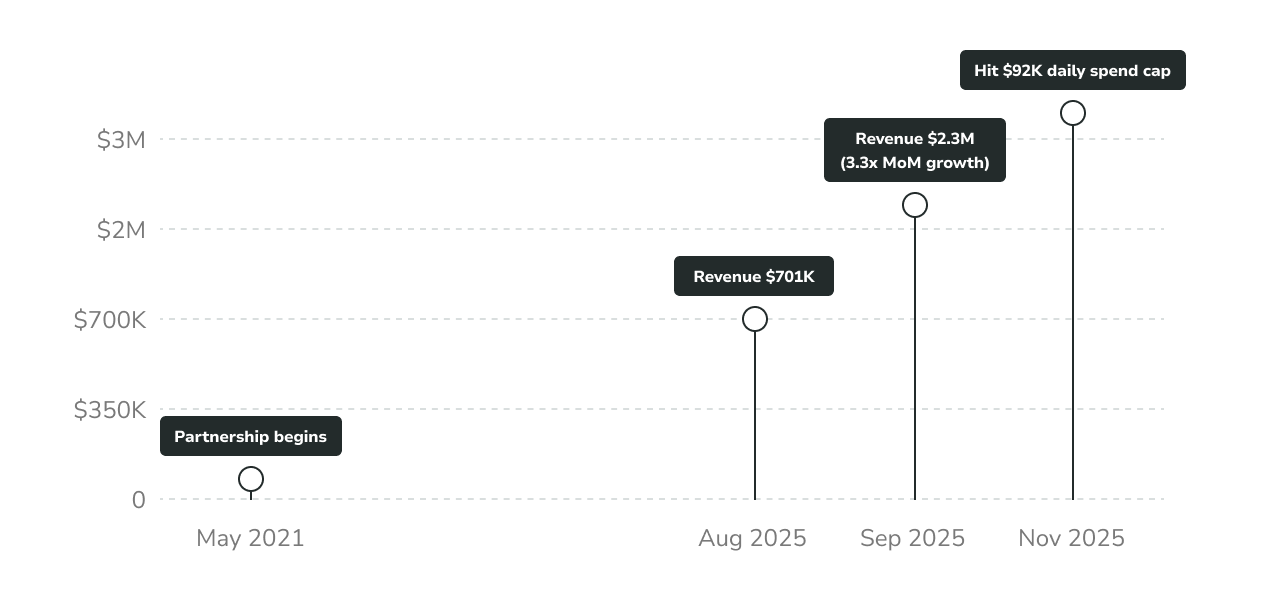
After four years of partnership and continuous optimization, I'm The Chef Too! had built a solid foundation. But BFCM 2025 required breaking through a performance plateau during the most competitive time of year.
The core problems:
- Aggressive scaling goals on a mature account: When you've already optimized for years, finding new growth levers gets harder. Doubling BFCM revenue meant we couldn't rely on incremental improvements—we needed step-change performance.
- Creative fatigue at higher budgets: During peak periods, creative lifespan dropped to about a week. At the spend levels required to hit growth targets, audiences burned out fast. Without constant refresh, performance would collapse.
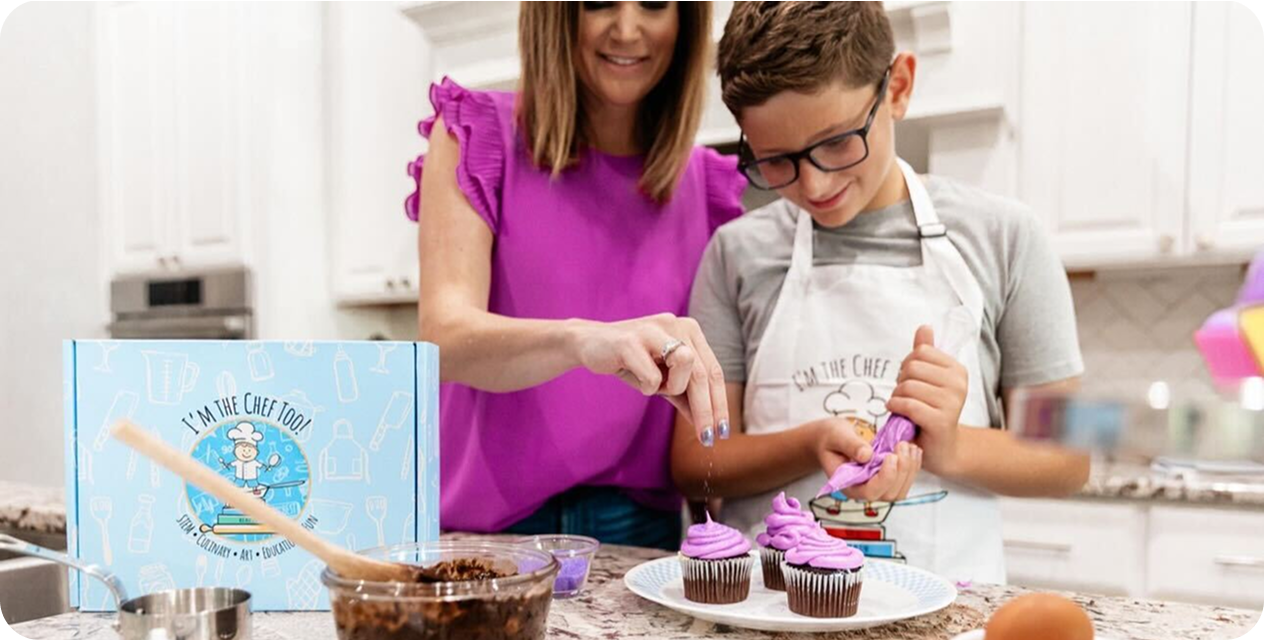
- Subscription economics constraints: STEM baking kits aren't impulse purchases. Primary buyers—moms ages 28-45—consider carefully before committing to monthly subscriptions. This meant creative had to build trust and communicate value quickly.
- Auction pressure during BFCM: Everyone scales during Black Friday. Increased competition drives up costs and reduces creative effectiveness across the board. Winning required not just good creative, but a systematic engine producing winners faster than they fatigued.
The mandate: scale paid media to acquire new subscribers profitably, reduce CAC, and unlock higher ad spend without breaking efficiency—all while facing the toughest advertising conditions of the year.

The Strategy: Narrative Frameworks at Scale
We built a system designed to produce narrative winners continuously, even when individual creatives burned out in days.
150+ Creative Variations Monthly
We produced 150+ narrative variations monthly across story formats, UGC videos, and static images—informed by customer feedback, buyer psychology, and seasonal gifting angles. This velocity meant we always had fresh narrative winners ready when current ads fatigued. Creative lifespan compressed to ~1 week during peak, so constant refresh was survival, not optimization.
Narrative Storytelling That Builds Trust
Our top-performing creative didn't show the product at all. Just the founder with her family and her story in text overlay—proving narrative and trust convert at scale. Moms weren't buying a baking kit. They were buying family time, an easy activity win, and a happy engaged kid. Narrative creative spoke to these deeper motivations. Key narrative angles:
Founder story building brand trust Family time and connection themes Screen-free alternative positioning Educational value wrapped in fun
UGC Formats + Narrative Frameworks: The Winning Combination
The strongest performers combined narrative structure with UGC authenticity: Sensory narrative openings: Short videos opened with payoff and emotion (finished desserts, food close-ups, child reactions), then revealed the story— this brought the family together. Before-and-after narrative: Static images showing the journey from kit arrival to finished creation told a story without words. Child-to-parent voice: Positioning from the kid's perspective ("Look what I made!") created emotional resonance.
Phased Offer Strategy
Structured Black Friday calendar with layered offers (up to 85% total savings), supported by phased urgency: Early Black Friday: "This week only" messaging Peak: Heavy push on 40% off subscriptions Extended: "Last chance" for visitors who hadn't purchased
Diversified Campaign Structure
Broad prospecting (US 21+) as foundation, layered with lookalikes, value optimization, subscriber-focused campaigns, and an advertorial landing page to support scale.
The Breakthrough Insights: Why Narrative Ads Won
1. Narrative sells without product demos:
Our top founder story creative converted without showing the kit at all. This proved narrative and brand trust can drive subscriptions at scale—you don't always need to show what's inside the box. The story mattered more than the specs.
2. Moms decide, even when we speak to dads:
Even when narrative creatives opened addressing fathers, women drove the majority of purchases. This confirmed that moms were the primary decision-makers. All subsequent narrative emphasized what moms care about: family time, easy wins, and engaged kids.
3. Emotional hooks outperform educational ones:
Sensory openings (cutting, biting, chocolate drizzle) in narrative UGC consistently outperformed education-first approaches. Parents needed an emotional connection before they cared about STEM learning outcomes.
4. Simple narrative beats complex production:
Real-looking narrative content often beat polished edits. Clarity, authenticity, and story won over production value every time.
5. No single magic narrative:
The edge came from testing volume and narrative iteration speed. We found storytelling patterns that scaled, then refreshed continuously rather than relying on one winning narrative angle.
The Results
